Why Indian Coconuts Are a Smart Choice for Global Importers
Why Indian Coconuts Are a Smart Choice for Global Importers
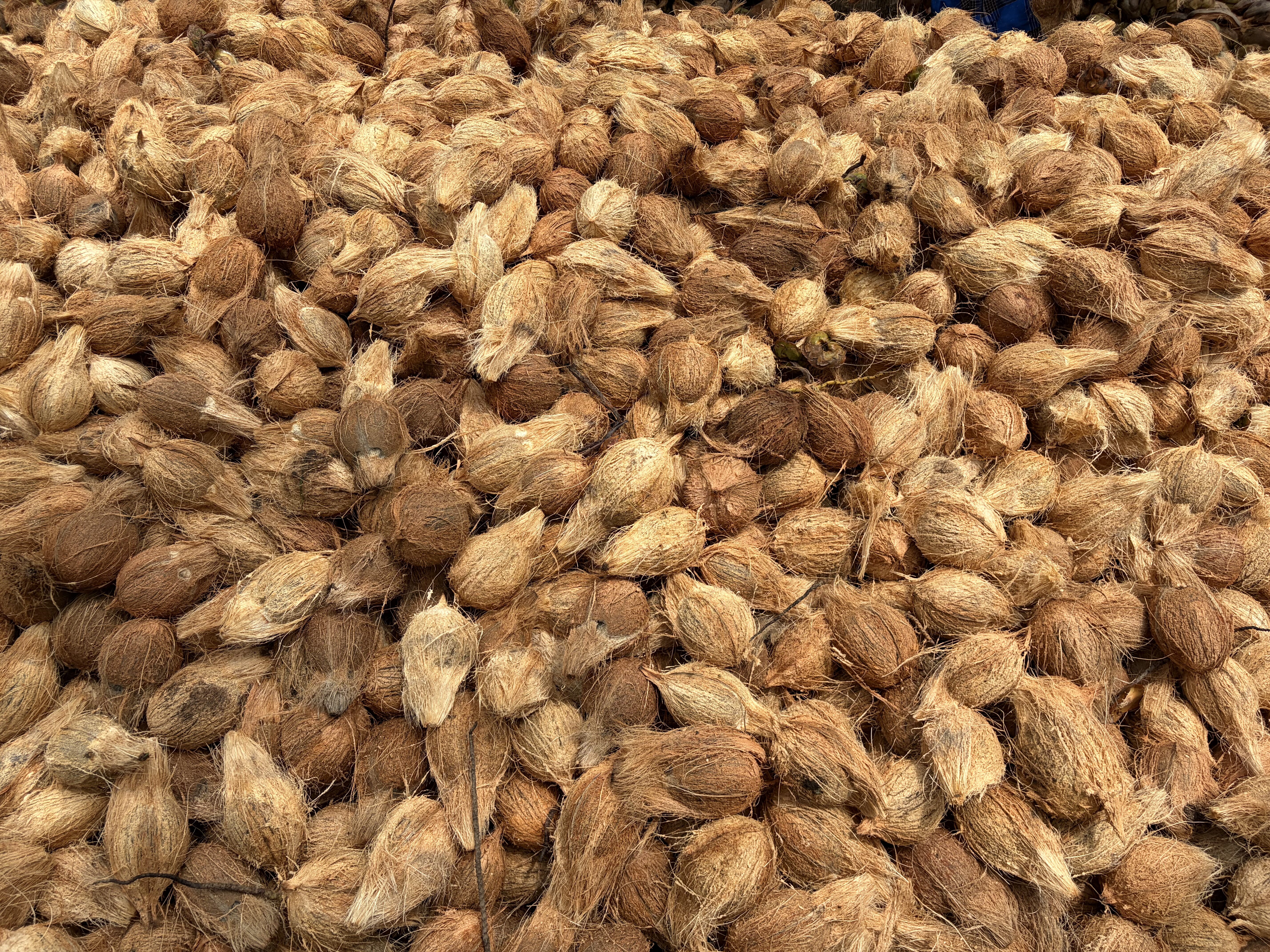
For importers, wholesale produce distributors, supermarkets, hospitality suppliers and food processors, coconut sourcing is about more than securing volume. Buyers need the right maturity, size, husk condition, packing method and shipment plan for their destination market. India offers a well-established coconut supply base that can support retail, food-service and processing requirements when specifications are agreed clearly before shipment.
Coconut Specifications for Different Buyer Needs
Coconut requirements vary significantly by end use. Retailers may prefer visually consistent mature coconuts with a clean outer appearance, while food-service buyers may focus on usable kernel yield, handling convenience and predictable supply. Processors may purchase according to agreed maturity, size range and internal quality requirements for coconut meat, milk, oil or other downstream applications. The correct specification should therefore be based on the buyer’s intended use rather than a one-size-fits-all grade.
Before confirming an order, buyers should define the required coconut type, maturity stage, approximate size or weight range, husk presentation, acceptable external defects, packing configuration and any destination-specific labelling or documentation.
Quality Selection and Export-Ready Preparation
A reliable coconut export programme begins with clear quality selection at origin. Coconuts should be checked for maturity, shell integrity, visible damage, mould, excessive moisture, pest activity and other defects that could affect commercial acceptance. Consistent sorting is especially important when the cargo is intended for supermarkets, organised wholesale or hospitality supply.
Handling should minimise cracking and impact damage. Depending on the agreed commercial format, coconuts may be supplied with husk, partially de-husked or prepared to another buyer-approved specification. Packing should be strong enough for stacking, inland transport, port handling and international movement, while still allowing the product to arrive in commercially acceptable condition.
Commercial Applications Across Retail, Hospitality and Processing
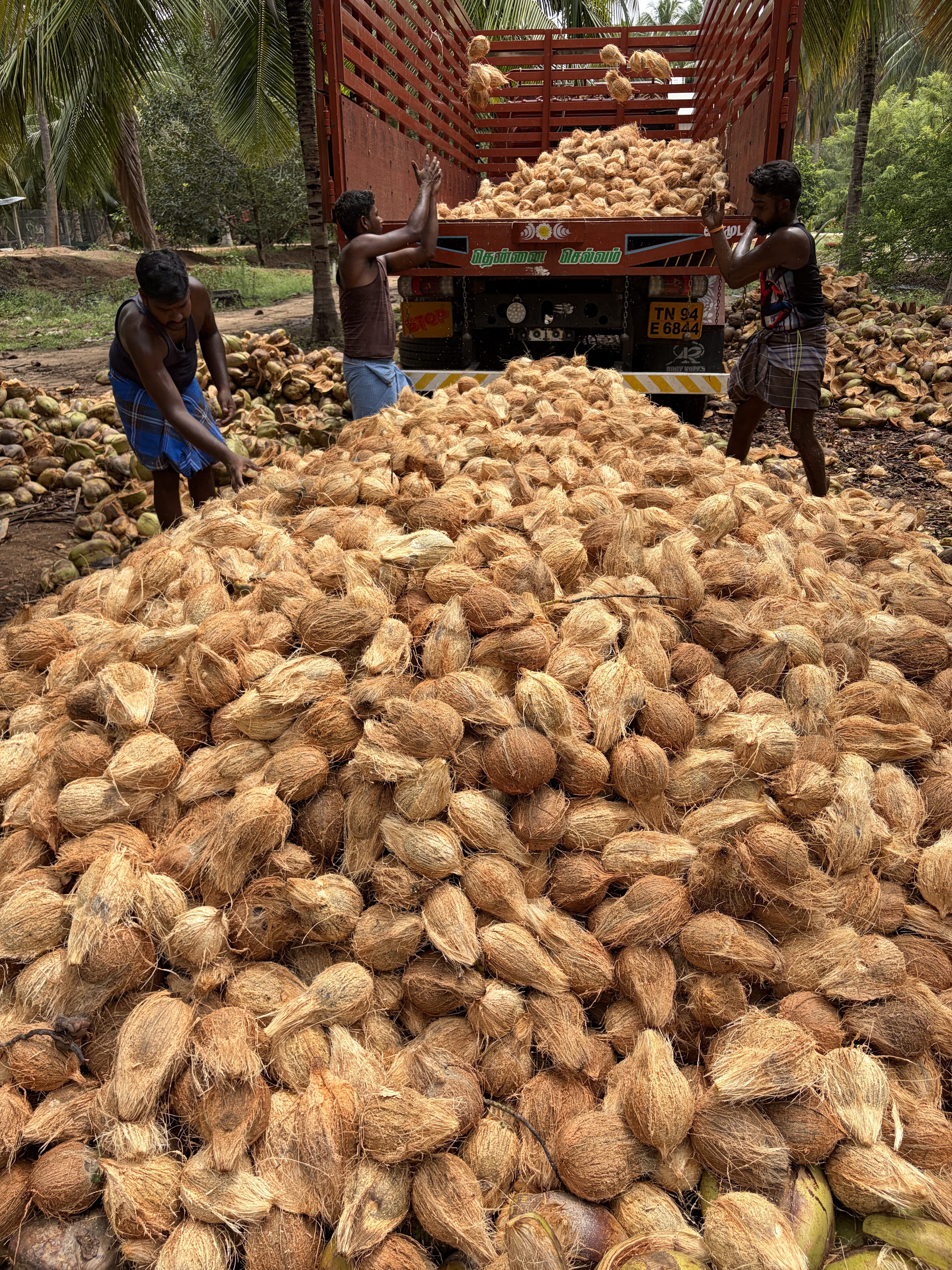
Indian coconuts can serve several buying channels. Fresh produce wholesalers may require regular bulk volumes for market distribution. Supermarkets typically look for consistent appearance and practical retail handling. Hotels, restaurants and catering companies may use mature coconuts for culinary preparation, desserts, curries and beverages. Food processors may source coconuts for kernel, coconut milk, desiccated products, oil and other value-added applications, subject to their own technical specifications.
Because these end uses differ, buyers should align grade and preparation with the final application. A specification suitable for a wholesale market may not be the same as one required by a premium retailer or processor.
Logistics and Condition During International Shipping
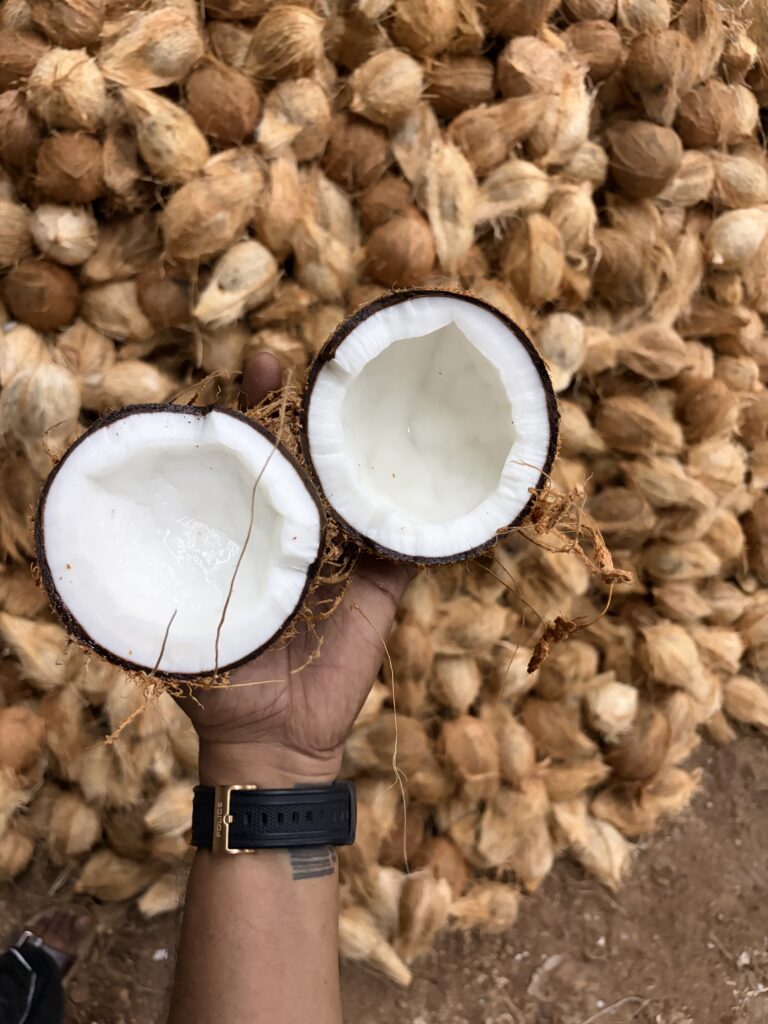
International coconut shipments require planning around product condition, packing strength, ventilation, transit duration, port handling and the importing country’s rules. Sea freight is commonly considered for commercial volumes where transit time and economics are suitable, while air freight may be used for smaller or more urgent consignments. The correct mode should be selected according to volume, destination, urgency and the agreed quality specification.
Before shipment, buyers should confirm Incoterms, commercial invoice, packing list, certificate of origin where required, phytosanitary documentation where applicable, inspection requirements and destination clearance responsibilities. Storage and transit conditions should also be agreed so that the shipment is managed consistently from origin to delivery.
Build a Long-Term Partnership With a Reliable Coconut Exporter
A dependable coconut supply relationship depends on realistic lead times, transparent quotations, consistent grading, clear documentation and responsive communication. Repeat import programmes work best when both buyer and supplier use an agreed specification and review any quality or packing issues systematically after each shipment.
NIKOSI EXPORTS works with international buyers to discuss Indian agricultural product requirements according to destination market, preferred packing, commercial specification and shipment needs. For coconut enquiries, sharing the intended use and required presentation at the beginning helps the supplier propose a more suitable sourcing and packing plan.
Conclusion
Indian coconuts can support wholesale, retail, hospitality and processing channels when the product specification is matched to the buyer’s intended use. Strong sourcing outcomes depend on clear grading criteria, careful handling, export-appropriate packing, accurate documentation and a workable logistics plan.
LOOKING FOR INDIAN COCONUT SUPPLY? Visit www.nikosiexports.com and request a wholesale quotation with your destination, volume, preferred coconut specification and packing requirements.
NIKOSI EXPORTS


