FRESH EGGS FOR GLOBAL MARKETS
FRESH EGGS FOR GLOBAL MARKETS

Fresh eggs are an important part of the global food supply chain, valued by households, restaurants, hotels, bakeries and food processing industries. For importers and bulk buyers, sourcing eggs involves more than price and quantity. Consistent quality, hygienic handling, suitable packaging and reliable transportation are essential for maintaining product quality from farm to destination.
At NIKOSI EXPORTS, we understand the importance of connecting agricultural products with international market requirements. Selecting the right egg specifications and planning each stage of the supply process can help buyers make informed sourcing decisions.
Understanding Egg Quality and Freshness
Egg quality plays a major role in buyer satisfaction and commercial acceptance. Buyers should evaluate eggs based on shell condition, cleanliness, size, weight category and freshness requirements.Quality checks should identify visible cracks, damaged shells, contamination and other defects. Consistent selection helps wholesalers, supermarkets and food service businesses maintain uniform product standards.For bulk purchases, buyers should agree on the required egg size, grade, quality criteria and shelf-life expectations before confirming an order.
Hygienic Handling and Quality Control
Proper handling is essential throughout egg collection, sorting, packing and transportation. Eggs are fragile products, and careless handling can cause cracks, breakage and product loss.
A well-managed supply process should include:
- Careful collection and handling.
- Inspection for cracks and visible defects.
- Appropriate sorting by size and agreed specifications.
- Clean and suitable packing materials.
- Batch identification and traceability procedures, where applicable.
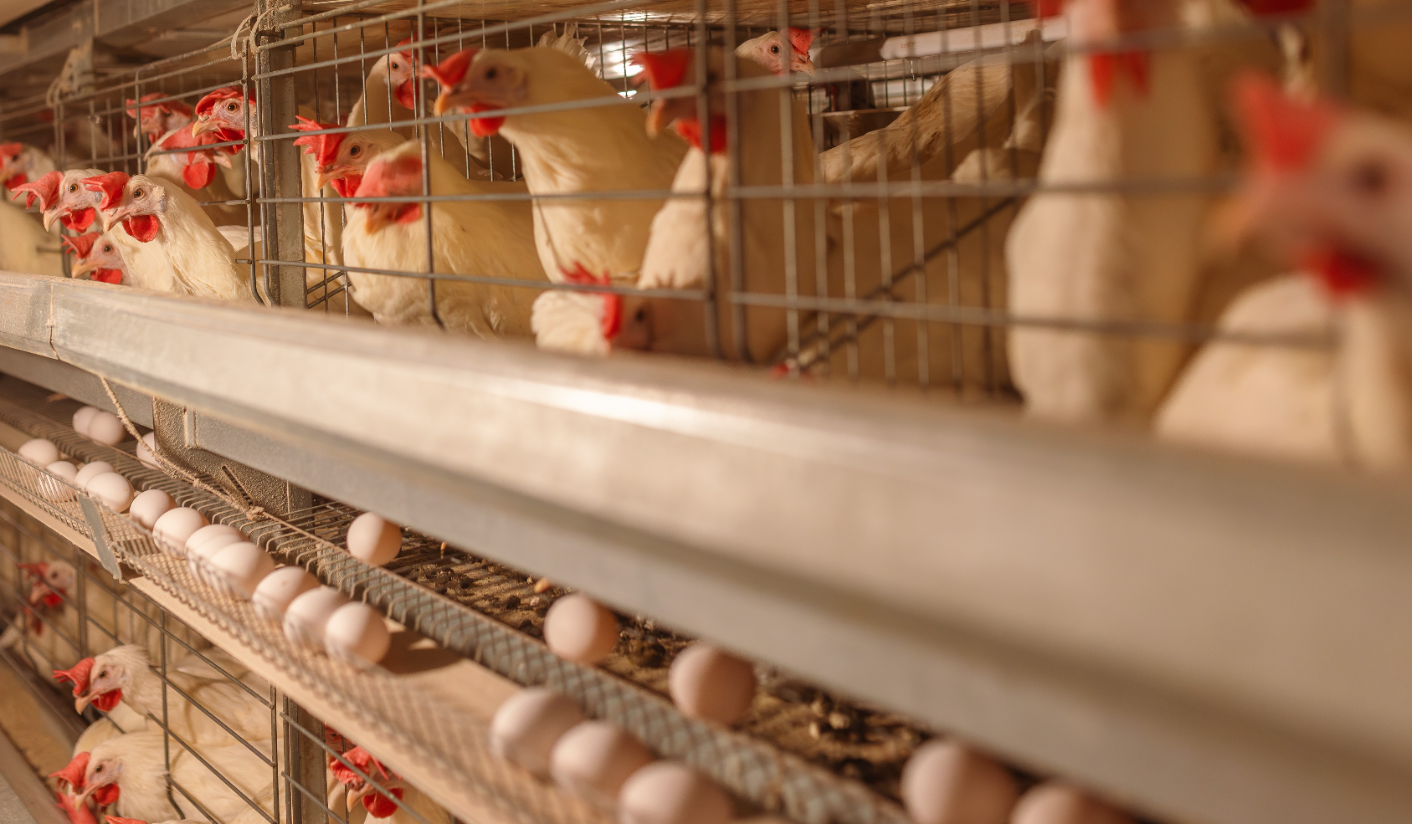
Egg Grading, Size and Buyer RequirementsDifferent markets and customers may require different egg sizes and quality specifications. Retailers may prefer uniform eggs for consumer packaging, while bakeries, restaurants and food processors may prioritise consistent supply and suitability for their applications.Before placing a bulk order, buyers should confirm the required size or weight category, shell colour if relevant, grade, quantity and applicable destination-market standards.Clear specifications help suppliers plan sourcing and packing according to the buyer’s requirements.
Packaging for Bulk Supply and Export
Packaging is a critical part of egg transportation. Suitable egg trays, cartons and outer packaging help reduce movement and minimise breakage during handling.The packaging format should be selected according to shipment volume, transport method, destination requirements and the buyer’s distribution needs.Depending on the market and order specifications, buyers should confirm:
- Egg tray and carton configuration.
- Number of eggs per pack or carton.
- Outer packaging strength.
- Batch and date marking requirements.
- Labelling and documentation requirements.
Date Marking, Storage and Shelf-Life Management
Date marking helps buyers identify important product information and manage stock rotation. The meaning of production, packing, best-before and expiry dates can vary according to the applicable rules and product labelling system.Buyers should verify that date information is accurate, legible and compliant with the destination country’s requirements.Eggs also require appropriate storage and transportation conditions. The correct temperature management, handling practices and shelf-life arrangements should be established according to the product type and applicable food safety guidance.
Transportation and International Shipping
Egg shipments require careful logistics planning because temperature variations, rough handling and delays can affect product condition.Before arranging transportation, importers and suppliers should discuss shipment volume, delivery schedule, packaging suitability, storage conditions and the expected transit duration.For international shipments, buyers should also confirm the applicable import permits, veterinary or health certification, inspection procedures, labelling rules and customs documentation with the relevant authorities.The shipping method should be selected based on product requirements, destination, urgency and commercial feasibility.
Choosing the Right Egg Supply Partner

A reliable supply partner helps buyers coordinate product specifications, quantities, packaging, documentation and delivery schedules.For long-term business relationships, clear communication is essential. Buyers should share their expected monthly volume, preferred egg specifications, destination market and packaging requirements before requesting a quotation.Consistent quality checks and regular communication can help both parties address issues and improve future supply planning.
Farm-to-Market Supply
Careful coordination between farm handling, packing and transport helps protect egg condition and support dependable supply.
Conclusion
Fresh eggs serve a wide range of retail, food service and food processing applications. Successful bulk sourcing depends on careful quality selection, hygienic handling, suitable packaging, accurate date marking and reliable logistics.For importers and distributors, understanding these requirements before placing an order helps support better purchasing decisions and smoother supply operations.
NIKOSI EXPORTS


